
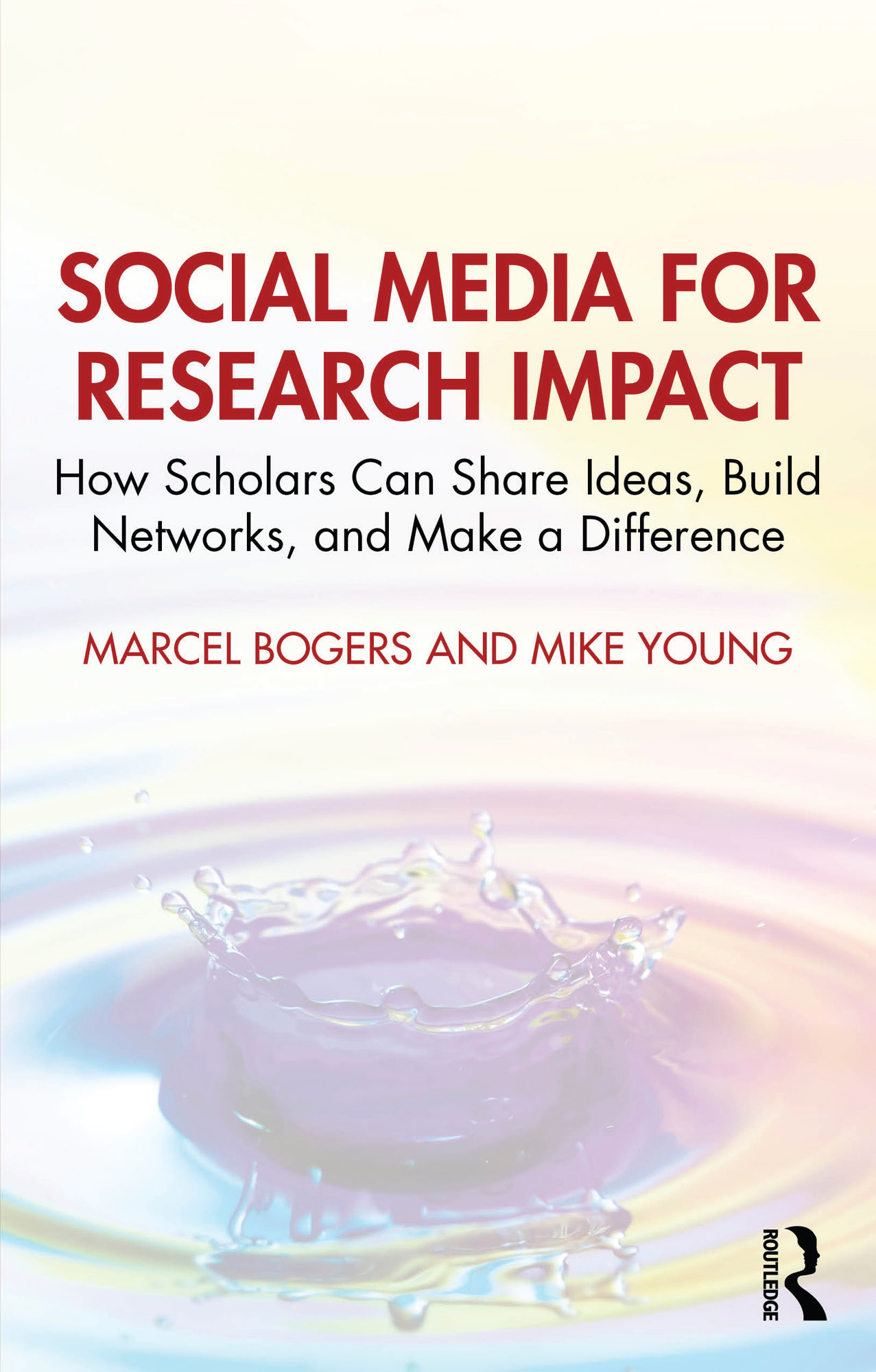
You can also buy the book on Amazon here.
This new book by Mike Young and Marcel Bogers invites you to think more clearly — and ethically — about how to use social media. Not just to disseminate your research, but to connect, get ideas, co-create, and stay open to the unexpected.
Through concise case studies from researchers worldwide, Social Media for Research Impact illustrates the diverse and often unexpected ways social media enhance academic work, from building collaborative networks and expanding audience reach to creating real-world impact.
Coverage includes established platforms like LinkedIn and X (formerly Twitter), emerging spaces such as Bluesky, and creative academic applications of platforms like Reddit and WhatsApp.
Social Media for Research Impact focuses on meaningful communication, community development, and knowledge sharing. It is of interest to researchers at all career stages, as well as research managers, advisors, and communication professionals who support research visibility and collaboration.

Mike Young is the founder of Mike Young Academy, which has supported scholars and universities for over a decade in using social media to increase research visibility and foster collaboration.

Marcel Bogers is Full Professor of Open and Collaborative Innovation at Eindhoven University of Technology and a Research Fellow at the University of California, Berkeley.
Blog posts based on interview material we couldn’t squeeze in:
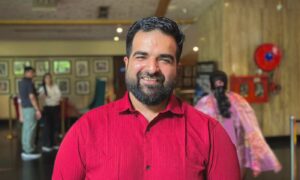
Looking to keep up with open innovation, he rebuilt his LinkedIn feed
There is something quietly subversive about unfolding an idea step by step. I asked Tony Breu, who helped shape tweetorials as a genre, what it is that still makes them special.
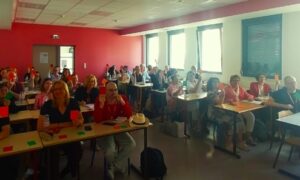
I asked 70 university communicators to respond to five provocative claims about social media
There is something quietly subversive about unfolding an idea step by step. I asked Tony Breu, who helped shape tweetorials as a genre, what it is that still makes them special.
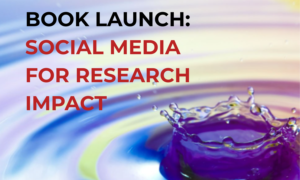
Book launch: Social Media for Research Impact
Launch event for our new book 'Social Media for Research Impact' will be 19 February in Copenhagen. Everyone is welcome!
Tweetorials: Why they may still be worth it
There is something quietly subversive about unfolding an idea step by step. I asked Tony Breu, who helped shape tweetorials as a genre, what it is that still makes them special.
Ice sheet or ice shelf: What’s the difference?
How a glaciology paper got pulled into the climate wars — and what you can learn from research that went viral for all the wrong reasons

Why niche social platforms like iNaturalist matter to science
Forget viral content. Here is a quiet social platform where researcher impact comes from verified observations and open science
For scholars, being kind could be contagious
A new paper argues that small, voluntary acts of kindness can ripple through communities, improving mental health. What might this mean for researchers on social media?
What I learned from co-authoring a book
A few reflections on how co-writing a book has been a powerful experience for me.
Endorsements