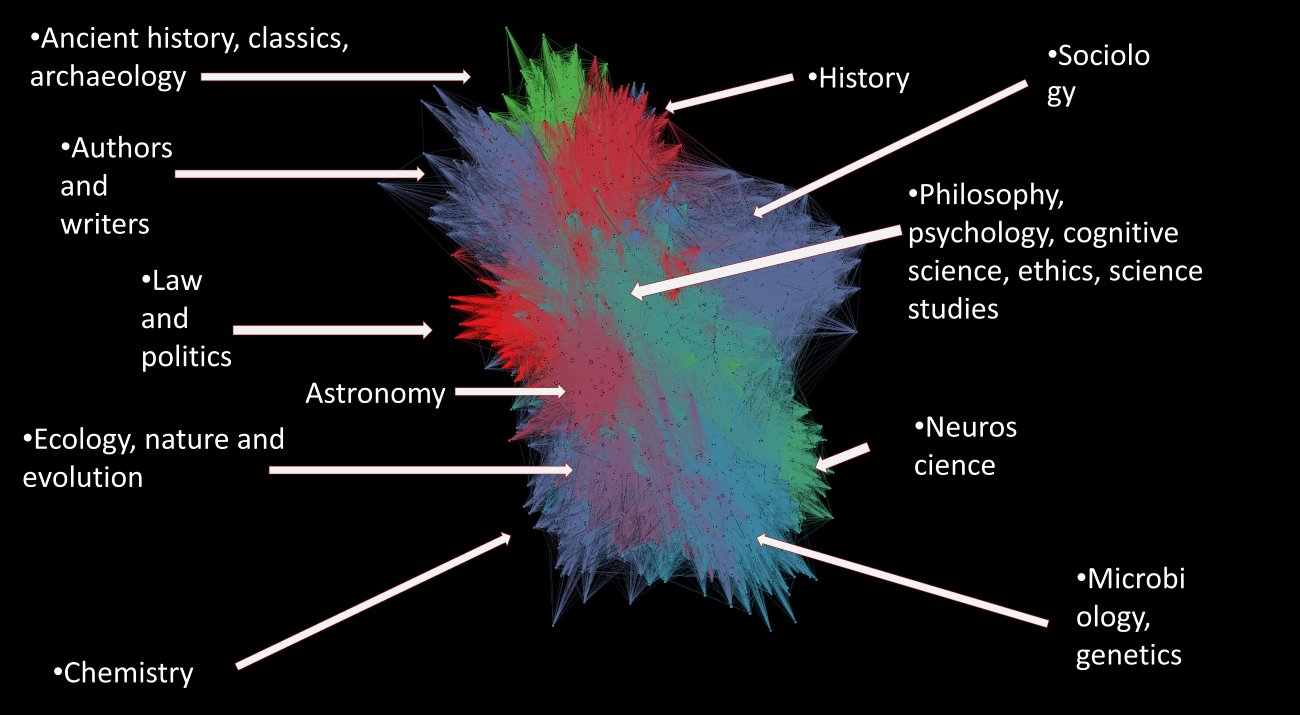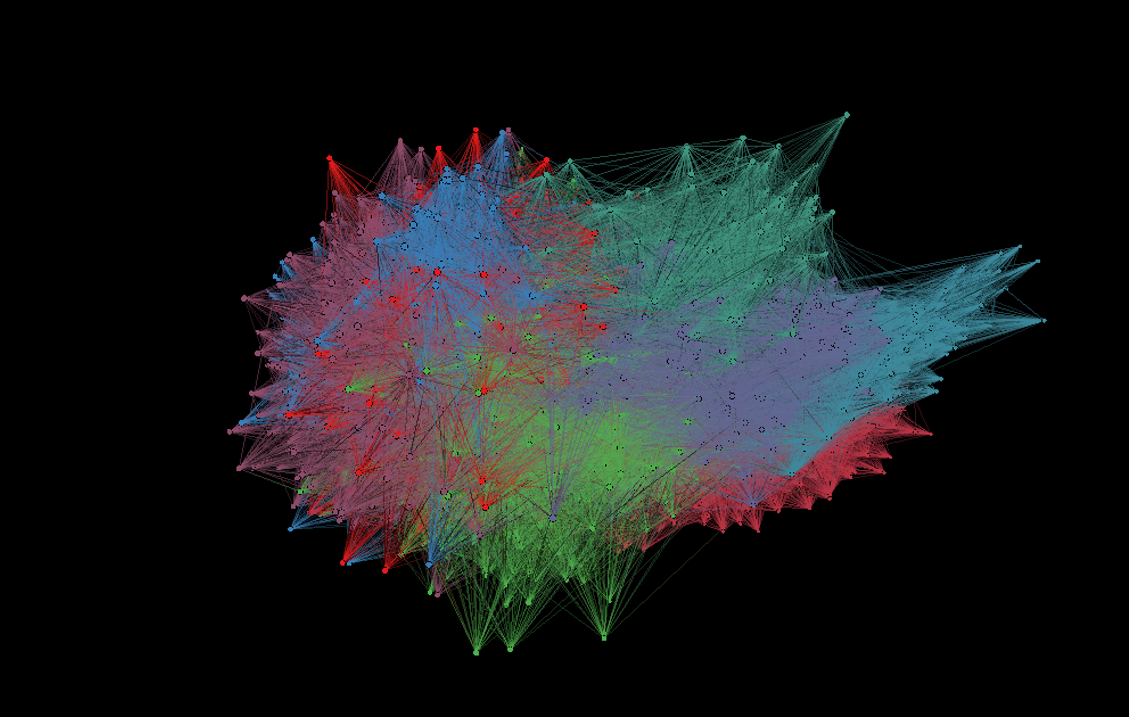
When researchers migrated from X to Bluesky, the hope was for a quieter space. They wanted less outrage, and more science. But reality is biting back. So here are a few tips to avoid the politics anyway.

The posts from influential scientists that are driving ‘engagement’ in the form of likes and reposts on Bluesky is not science. It is political commentary and cultural hot takes – mostly focused on left-of-centre and progressive US politics.
This is according to an analysis of 18,000 posts from influential scientist accounts by my colleague Lasse Hjorth Madsen. He has looked at the highest performing posts in terms of likes and reposts among 200 highly influential science accounts on the platform. Lasse’s post analysis comes after several iterations where he and I (Mike) have jointly mapped out the emerging Bluesky scientific community, finding the most central and influential scientists and research fields on the platform.
Lasse’s latest analysis points to something uncomfortable: Some academics are not just victims of the attention economy, they are active participants in it. And the tone of the posts that spread, mirrors the posts that spread elsewhere online — politics, outrage, frustration, and protest.
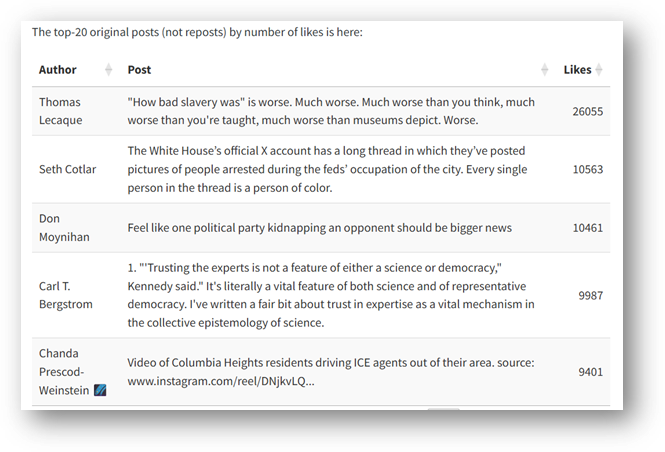
The table above shows the most liked original posts (not reposts) among our influential scientists’ group.
Before we go on, I need to both hedge my claims, and try to give an explanation of what is going on:
- Bluesky, to a much higher degree than other platforms, enables you to set up your newsfeed so that you only see what you are interested in. The most savvy Bluesky users can avoid the politics, and some of them will do so (see my tips below). That is one of the reasons why many scientists are there in the first place.
- The analysis is based on the top 200 of our ‘most influential’ list, based on centrality measures. This group could be already pre-selected to have centrality because they are already in a non-science politically-oriented community that enables the wider traction. What we see is a kind of circular logic that might not prove anything.
- When you count reposts of academics’ original posts, all of the reposts are not necessarily coming from academics themselves. On Bluesky, when you repost, it can be shown on your own followers’ feeds. What this means is that a political post from a scientist, could be highly reposted outside the scientific community, then circle back to be seen by other scientists after it has been circling around the political echo chamber gaining likes and reposts from people who want to virtue signal a specific political standpoint.
- A large part of scientific Bluesky is scientists from the United States, so it is, actually, no surprise that posts about US politics dominate global feeds.
- Scientists are, in fact, generally mostly left of centre in terms of their politics.
- Scientists on Bluesky are, to a higher degree, left of centre in terms of politics, precisely because a large group of them have migrated from X after the controversy surrounding the Elon Musk takeover.
- The group of scientists who get the most likes and reposts is likely hiding a much larger undergrowth of scientists on Bluesky who avoid politics, and are happy to avoid viral hot takes.
We have to be really careful we are not mistaking correlation for causation here. Our analysis does not show that posting political hot takes lead to more reposts or higher follower numbers. Heaven forbid, this will not lead to more understanding and more impact for science. Our analysis just shows that highly central scientists in our group got the most reposts when they did post politically.
The lesson? A new platform doesn’t erase the old dynamics. If researchers want Bluesky to become more than an alternative outrage machine, they will need to make some conscious choices.
What can you do to avoid politics?
So how can we help this along? What do you do if you want to avoid politics in a professional or academic context altogether?
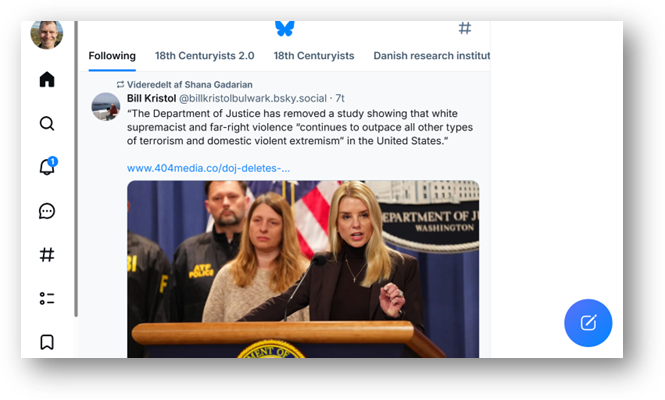 As a first step use the functionality of Bluesky to set up different feeds for different topics and modes of working. If you really want to see the politics, then leave the standard newsfeed that lets you see ‘Following’ (you can see my feed on the image above – the feed that is headed ‘Following’). Otherwise set your front page so that you don’t see following as the first thing.
Now set up feeds with only your interests and lists, and make sure that they show first on your newsfeed.
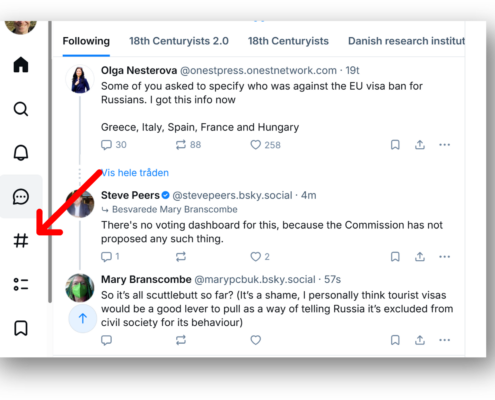
See the hashtag symbol on the left? Click on that.
Lists, like good old X, are sets of people that you want to see the posts from. You can find those by clicking on the little bullets symbol below the hashtag. In my set-up shown above right my list of ‘Danish research institutions’ is showing on number fourth spot. Lists on Bluesky are always public.
There is a good guide on how to customize bluesky feeds here.
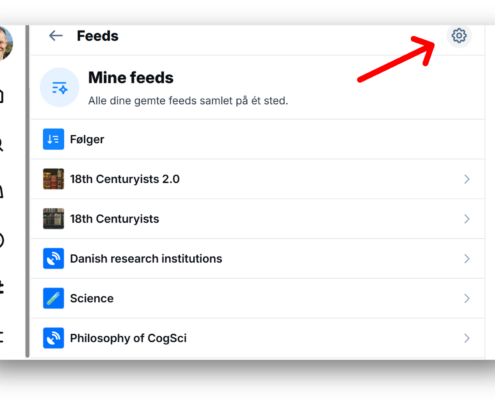
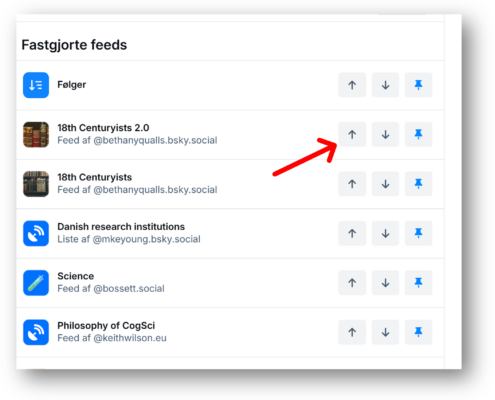
But what you need to know is that you can adjust the front page of your Bluesky, so that the first thing you see on the app or on desktop, is a specific feed with your interest. You don’t have to see the posts from the people you are following before you see your interests. This is a great way to avoid getting ensnared in the politics and hot takes.
As a second step, if this does not work, and this goes for Bluesky just as much as any other social platform: Just unfollow the people who post about the politics. Tough, but they had it coming for them. They won’t get a notification.
As a third step, you can hide a specific account if you see a political post anyway in spite of your unfollow (someone in your network who follows them might have reposted it, which will then put it on your feed). Just click on the three dots at the bottom of the post to mute this particular person. This is also the place where you can block particular people which stops them from interacting with you.
Fourth step. Bluesky’s starter packs feature lets you follow groups of scientists within your own field. This is brilliant. But be aware that large starter packs may include a number of scientists who post about politics. So a fourth step is to unfollow or mute these specific offending scientists afterwards (back to second step!)
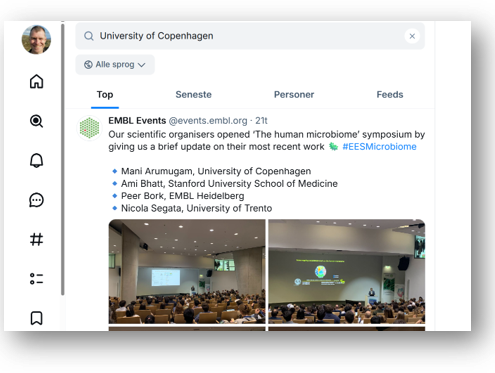
Fifth step. Sometimes all of the above is not enough to maintain a non-distracting, non-outrage, non US-politics focussed feed anyway. For many specific tasks I resort to bookmarked keyword searches. Just as an example, this link only shows the Bluesky posts that have the ‘University of Copenhagen’ in them.
I hope this helped!
Do you have any further ideas on how to avoid politics on Bluesky? Let me know in the comments!
Social media for research impact is a new book by Mike Young and Marcel Bogers (forthcoming). It invites you to think more clearly — and ethically — about how to use social media. Not just to disseminate your research, but to connect, ideate, co-create, and stay open to the unexpected. The book page is here.