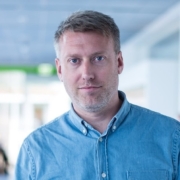
Twitter og LinkedIn for forskere – kursus på Københavns Universitet

Er du forsker på Københavns Universitet? Kurset ’Boost your research career with Twitter and LinkedIn’ kommer til maj 2022. Meld dig til, eller sig det videre!

Kurset er for forskere og kommunikationsfolk, der gerne vil forøge deres rækkevidde og internationale gennemslagskraft på de to platforme. Dette særlige kursus er åbent for alle forskere på Københavns Universitet, men jeg tilbyder et lignende kursus på andre universiteter.

Du tilmelder dig på siden her (log ind, hvis du ikke kan logge ind, skriv en email til mig, så sender jeg detaljerne).

Der er en mere detaljeret kursusbeskrivelse under denne korte video, der introducerer kurset:

Her nedenunder er en dansk version af kursusbeskrivelsen. Kurset bliver afholdt på dansk, hvis alle deltagere er danske – ellers på engelsk:

Photo permission by @_kapitan__buran

Giv din forskerkarriere et løft med Twitter og LinkedIn

Platforme som Twitter og LinkedIn gør det muligt at række ud til andre eksperter og potentielle samarbejdspartnere i hele verden, og få et globalt publikum til dit eget forskningsområde.

Se hvordan du som forsker og kommunikationsmedarbejder effektivt kan overvåge forskningsområder, dele via Twitter og LinkedIn netværk, samt integrere sociale medier i konferencer, seminarer, forskning og formidling.

Mål

Målet er at du kan:

  • finde og producere indhold til Twitter og LinkedIn i din forskning, og hvordan du kan dele det med størst gennemslagskraft
  • skabe en rutine og koncept for sociale medier, der passer til din personlighed og dit forskningsområde

Indhold

Du får en introduktion til hvad Twitter og LinkedIn kan hver for sig, og hvordan du som forsker og formidler kan få dem til at spille sammen.

I kurset vil vi gennemgå hvordan du:

  • opsætter personlige, automatiserede rutiner til overvågning og filtrering af nyheder indenfor specifikke forskningsområder.
  • integrerer sociale medier i events og konferencer
  • får andre engageret i din forskning
  • kan crowdsource indhold til specifikke forskningsprojekter
  • får et personligt socialt mediebrand
  • bruger Twitter til at forøge din rækkevidde og definer dit eget ekspertisefelt på et internationalt plan
Twitter og LinkedIn kursus

Kurset vil bl.a. introducere dig til offline-online teknikker til networking ved events og konferencer. (Foto: Esther Vargas, Flickr, Creative Commons license)

Kursusformat

Kurset består af to formiddagsworkshops (4,5 timer) med tre uger imellem. Der hører en times forberedelse til den første workshop, og der er en til to timers hjemmearbejde imellem de to workshops.

Før, eller til, den første workshop, vil du blive sat sammen med et eller to træningspartnere. Du vil møde dem en gang (på Zoom) i perioden imellem de to workshops.

Første workshop: Udgangspunktet er målet for din egen forskning og forskningsnetværk. På den første dag lærer du hvordan man anvender Twitter og LinkedIn til at opnå dette mål. Kan dit eget forskningsområde eller faglighed anvendes i en rutine eller koncept på Twitter eller LinkedIn? På den første dag prøver vi at finde ud af hvordan.

Hjemmearbejde: Imellem de to workshops er dit hjemmearbejde at udføre dit nye koncept eller starte med at netværke ved hjælp af en sociale medierutine.

Anden workshop: I den anden workshop får du feedback fra underviseren (Mike) og dine kursusfæller om dit sociale mediearbejde. Du vil blive introduceret til monitorerings- og analyseredskaber, og lære hvordan du kan målrette tweets og LinkedIn opslag.

Målgruppe og deltagere

Kurset henvender sig til forskere, og til medarbejdere der formidler forskning på Københavns Universitet.

Forudsætninger og forventninger

Kurset er relevant for både begyndere og erfarne brugere. Du skal dog have oprettet en Twitter konto, være på LinkedIn, og kende de mest basale funktioner på platformene inden kursets start. Hvis du er begynder, så skal du regne med at afsætte to timer inden kursets start til forberedelse. Alle deltagere får link med adgang til introduktionsvideo inden start.

Skriv til Mike Young på mike@mikeyoungacademy.dk hvis du har spørgsmål vedrørende det nødvendige forhåndskendskab.

Bemærk: Kurset afholdes på engelsk. Hvis alle tilstede taler dansk, afholdes kurset på dansk.

Datoer:  20. maj og 10. juni 2022, fra 09:00 til 13:30 (inkl. frokost)

Du tilmelder dig dette kursus på Københavns Universitet her. (med log ind, Hvis du ikke kan logge ind, så skriv en e-mail til mig, så sender jeg detaljerne).

Kursusgebyr:

DKK 1.210

Har dit institut, fakultet eller universitet behov for at løfte forskernes internationale gennemslagskraft og karriere? Mine workshops og kurser i sociale medier introducerer forskere til den systematiske brug af Twitter, LinkedIn og andre specialiserede sociale medier samt monitoreringssapps. Alle Mike Young Academy workshops er øremærket og designet til specifikke videnskabelige felter. Hvis der skulle komme en nedlukning i forbindelse med Covid-19, kan mine workshops flyttes online som en kombination af online sessioner med grupperum (‘breakout rooms’), individuel feedback og hjemmearbejde. 

Danish scholar refuses to yield to the trolls on Facebook and Twitter

Historian of the Middle East Rasmus Elling took time off in 2021 after being targeted by a disinformation campaign. But he did not give in. Now he explains to me why he is back on Twitter.

Week after week, a cowardly internet army — some of them real people, some of them bots — would tag him on Facebook posts and mention him in tweets.

Rasmus Elling is an associate professor at the University of Copenhagen.

He was a supporter of the regime in Iran, according to their posts, and therefore fair game.

Opening his phone one day in the spring of 2021, he got hundreds of notifications. It was as if thousands of people out there were demanding a response.

And then there were the implied threats — not just against him but also a colleague he had appeared with on Danish TV.

”It would be just below the threshold of what is legal. They went for me personally, to intimidate me,” recounts Rasmus Elling. “For my colleague it was worse: one person posted a video saying he knew where she lives”.

Police got involved.

The tweets can be retweeted by bots or a group of online trolls to increase their retweet count and make them seem credible, and the aspersions may stick.

Rasmus Elling is an associate professor at the Department for Cross-Cultural and Regional Studies, University of Copenhagen. While his research focus is on modern Iran, he sees one of his roles on social media as ‘translating’ what is going on inside and outside Iran to a non-Persian speaking public. Below is a typical tweet from Rasmus Elling.

But in 2021 his social media and public outreach activity made him vulnerable to a disinformation campaign by a well-organised group of Iranian exiles, some of whom support the former monarchy in the country.

“The idea is to present specific, named, academics who do research on Iran, as somehow stooges of the Iranian state. A small group of these people are active in Denmark, and they have, for example, set up a Facebook group that mistranslates posts and articles into Persian. It is some silly stuff. And they just sit there day and night, monitoring the people they want to target,” says Rasmus Elling.

But according to Rasmus Elling, these repeated and amateurish misquotes and disinformation can still have a real world effect. Many who see the posts may not be trained in a source-critical approach, and may not know the person who is targeted. The posts and tweets can be retweeted by bots or a group of online trolls to increase their retweet count and make them seem credible, and the aspersions may stick.

The goal is guilt by association: Some people, enough people, can take the claims seriously.

If one of the claims about a scholar is referenced in a legitimate trusted news channel, even to refute them, they are often amplified by trolls to taint their targets. The goal is guilt by association: Some people, enough people, can take the claims of being an ‘Iranian government agent’ seriously.

”I have written very critically of Iran and the Iranian regime, but this did not fit into the image of an enemy in their narrative. One of the posts, for example, offered ‘proof’ that I worked for the Iranian Embassy. It consisted of an image of a meeting at the Iranian Embassy in London with a blond-haired man on it, which was not me, with an arrow superimposed pointing to the person with the name Rasmus Elling.”

Post attacking Rasmus Elling for being an ‘Marxist Islamist teacher’. I (Mike Young) have deliberately erased the Facebook page name.

“At one point, during the height of the attacks I wrote directly to one of the people who was attacking me: ‘You dare not say these things to my face!’ I said to him: ’Let us meet up.’ He actually turned up to meet me in the central library in Copenhagen, an Iranian man of around 50 years old who in reality did not seem intimidating at all. He explained that he just sat there at home, reacting to the posts that showed up.  As for his own posts, he explained they were ’just the way we do things in Iran’. He even apologised for his behaviour,” Rasmus Elling recounts.

The attacks got to the point that Rasmus Elling had to have a constant negotiation with himself. Do I want to respond to this? Should I respond to this?

“Later I was told by the police,” says Rasmus Elling, “that I should be more wary of trying to meet the people face-to-face who attacked me online.”

The attacks got to the point that Rasmus Elling had to have a constant negotiation with himself. Do I want to respond to this? Should I respond to this? Finally, he admits, it was too much. He was forced to take time off from work due to stress.

Defence can inadvertently spread the trolls’ message

He was back at work soon however. And in spite of what he had gone through, Rasmus Elling is still active on Twitter, and on the messaging service Telegram which has many users in Iran.

”Facebook has become a swamp, especially in Persian,” he says, “and I avoid the platform. But as for Twitter, I asked myself: Should I really have to hide, to censor myself? This cannot be true. So I continue to be active on Twitter, but I often think twice before entering into a debate with someone.

Article continues under fact box below.

Handling controversy
on Twitter

Blocking, muting, lists, ignoring

Blocking on Twitter ensures that you don’t see the blocked person’s tweets, and they don’t see yours.

Muting on Twitter ensures that you don’t see the muted person’s tweets.

Lists allow you to curate your newsfeed, so you only see what interests you.

Rasmus Elling:

  • Blocks people if they repeatedly tweet lies.
  • Mutes people depending on the content they tweet, and only to improve his own Twitter experience: “, for example,” he says, “I mute people who tweet about what they just ate for dinner!”
  • Puts people on lists so that he can better concentrate on specific subject areas
  • If attacked, he checks their profile. If they have no followers in common with him, or otherwise seem fake or malicious, he ignores them

How do you decide whether you will enter into a dialogue with someone on Twitter who disagrees with you?

”I do a cost benefit analysis. I look at their profile bio and see whether this person has a network in common with me, or is followed by credible accounts – or whether it is just a spiteful person. I then make a decision on whether I should respond,” he says. (see Rasmus Elling’s Twitter recommendations in the box to the right)

Rasmus Elling: “As an academic, it is very easy to be perceived as condescending to those who are non-academic”

In guidelines for responding to internet trolls and disinformation, the recommendation is often repeated: ‘Don’t feed the trolls’. Attacking people like Rasmus Elling can give trolls the satisfaction of stoking a (sometimes fake) public outrage. The Center for Countering Digital Hate published a guideline in 2019. According to the guideline “troll propagandists know that when public figures engage with abusive trolls to defend their reputation or their values – a normal behavioural response – this inadvertently spreads and legitimates the trolls’ message and tricks social media algorithms into pushing it into a broader array of users’ timelines.”

But some attacks should still be offered a serious response, according to Rasmus Elling.

Universities encourage outreach

Since the summer of 2021, Rasmus Elling has begun to think about the power dynamic between himself as an academic on Twitter, and some of the people who target him with false claims.

“As an academic, it is very easy to be perceived as condescending to those who are non-academic. But we have a responsibility to respond to non-academics, and to discuss the merits of their arguments” he says.

Scholars like him are forced into a dilemma on social media. Universities encourage scholars to be responsible for their own outreach, and scholars often help brand the university towards the general public. But universities usually offer little help to scholars like Rasmus Elling when they become the object of disinformation campaigns.

Twitter is the place where Rasmus Elling discovers what is new in his field and to “find participants for my projects and colleagues that I do not know already,” he says. He adds that in terms of his research area, Iran, he almost has to be on Twitter and on Telegram.

Rasmus Elling: “What takes place on social media is not an ‘ideal conversation’, and scholars should not allow the platforms to become a record of who you are as a scholar.”

At the same time, he is under no illusions about the limitations of the platforms.

Polemic should not be the first thing people see

”The idealist in me tells me that we need to speak to people at their own level, without condescension, and I get a buzz from feeling that I have an impact. But I also really feel that the use of, say, Twitter is important in terms of transparency, so people know what it is you are doing research on.”

“That said, I do not think the platforms should be considered a kind of ‘Habermas’ian conversation where the better argument will win in the end.”

What takes place on social media is not an ‘ideal conversation’, and scholars should not allow the platforms to become a record of who you are as a scholar. It should be simply used as a tool, he says. (Some of Rasmus Elling’s recommendations are in the fact box above.)

“I could, for example, delete some of my old tweets if I have formulated something in an unfortunate manner or for other reasons. Some people might not like this. But the way I see it, some polemical tweet should not be the first thing that people see when they discover your profile.”