A doctoral researcher in India reshaped an old LinkedIn network around his field — one connection at a time
At first BasuDeo Dubey didn’t simply jump into LinkedIn when he began his doctoral research and start looking for ways to keep track of his field.
He began with journals and Google Scholar alerts, looking for scholars whose work was particularly relevant to his research interests.
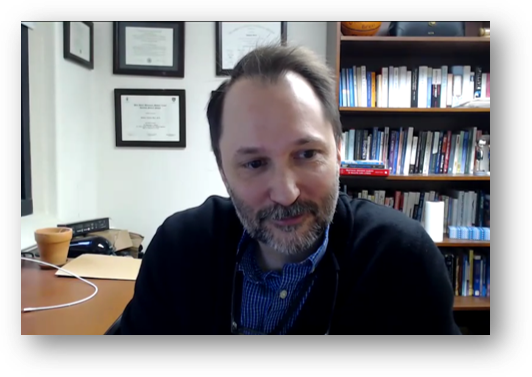
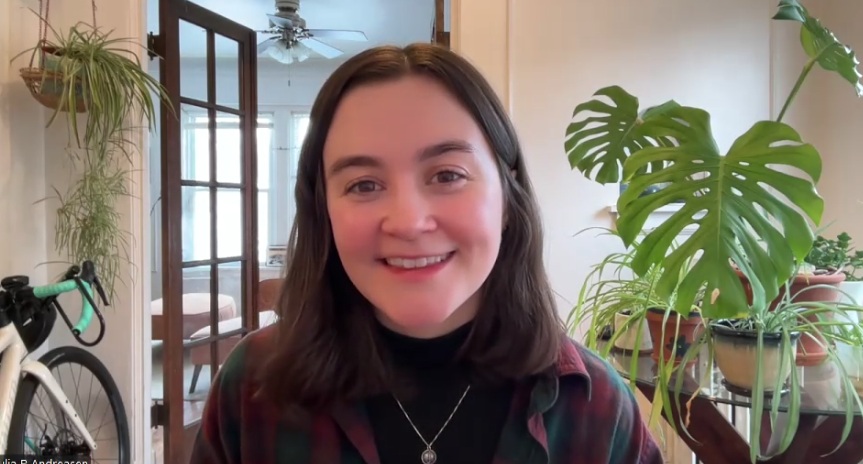
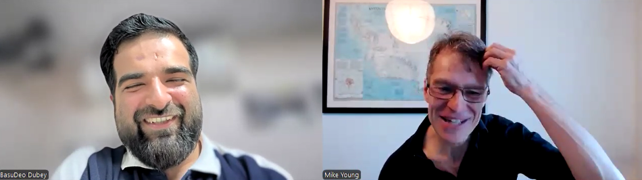
BasuDeo is a doctoral researcher at Xavier School of Management (XLRI), Jamshedpur, India. His research focuses on open innovation — the practice of firms deliberately using external ideas, technologies and paths to market alongside their own internal R&D. I (Mike) spoke with BasuDeo while researching Social Media for Research Impact, which I co-authored with Marcel Bogers.
BasuDeo explains:
“I began to follow key academics in my field on Google Scholar initially”.
“But then I figured this is very slow — I will have to wait for them to publish before I hear from them. I thought, why not do it on LinkedIn?”
From there, he began reshaping his LinkedIn feed more systematically.
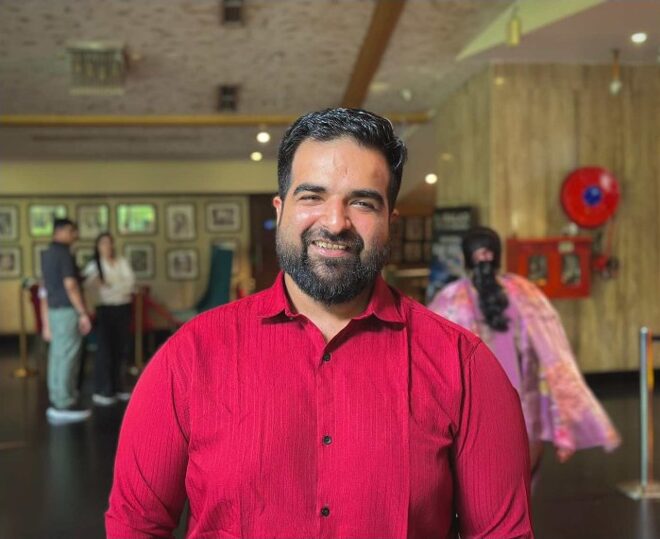
His first challenge was his eight-year-old LinkedIn account full of connections accumulated long before he began doctoral research.
“I started to filter out. Are they related to my field? Are they related to what I need LinkedIn for? And that’s when I said, I will remove those who are not relevant to my literature or my topic, and I will follow these people.”
Once he had a base of ten or twenty relevant follows, LinkedIn’s own recommendations began surfacing further researchers and posts in the same area.
A way to track seminars and activities
LinkedIn also became one of the ways BasuDeo kept track of seminars, workshops and other activities in his field.
One example was an open innovation winter school organised by Wim Vanhaverbeke at the University of Antwerp. BasuDeo first heard about it through Vanhaverbeke’s LinkedIn post.
“I got to know about the winter school through Wim’s post. He posted on LinkedIn that there was a winter school coming up and anyone interested could apply.”
For BasuDeo, that was part of LinkedIn’s usefulness: it exposed him to academic activities and conversations that he might otherwise have only encountered later through more conventional, non-social media, channels.
A weekly open innovation seminar reached him in much the same way.
“The regular activities — I got to know about them through people who are very active in this space, through LinkedIn,” he says.
SPACE FOR MATCHING INTERESTS
BasuDeo’s use of LinkedIn was not limited to following research and academic events.
During his doctoral programme, he helped set up the XLRI PhD LinkedIn page, a dedicated space for sharing research, milestones and achievements from XLRI’s doctoral community. He managed the page initially, and it is now run by members of XLRI’s doctoral student committee.
“Researchers in XLRI get their publications in journals and attend niche conferences that other researchers or students might not know about. So I reached out to my programme office — why do we not post about these achievements on our social media pages?”
The idea was to give doctoral research and academic activity another channel through which it could become visible to people with related interests.
“If someone is interested in a particular area and sees that somebody at XLRI is working or publishing in that space, they know there is someone they can reach out to. The page provides one way of making those connections possible.”
You can follow BasuDeo Dubey on LinkedIn here.
QR ON YOUR PHONE
In the book ‘Social Media for Research Impact’ BasuDeo Dubey spells out a trick for LinkedIn users networking at in-person events:
“I picked up on this trick last year from someone at a conference in Bilbao, Spain. LinkedIn provides a QR code that leads you directly to your profile. Screenshot it, and put it on your phone lock screen so you can see it without having to open the phone via your pincode.”
“When you meet someone that asks for your contact details, you just show your phone screen, and they scan and click connect. Better than messing around with business cards or emails!”
Social Media for Research Impact, by Mike Young and Marcel Bogers, is out now with Routledge. It invites researchers to think more clearly — and ethically — about how to use social media: not just to disseminate research, but to connect, exchange ideas and remain open to unexpected opportunities.
Does your department, faculty or university need to boost its researchers’ international impact? My workshops in social media for scientists and AI for research networking and communication introduce researchers to the systematic use of LinkedIn, Bluesky, Reddit, X and other specialized social media and tracking applications as well as AI-augmented routines to find and reach collaborators and stakeholders. All Mike Young Academy workshops are bespoke and custom-fitted to specific scientific fields. Workshops can be held in-person, or online as a combination of video-conferenced live-sessions with group ‘breakout’ rooms, individual feedback, and homework.